1 German SuperGuide v1.0
#super
How to teach yourself German quickly, efficiently and for free.
This guide is hosted at guide.learngerman.io. The main blog site can be found at learngerman.io.
1.1 What is this guide?
This is a free guide on how to learn German by yourself as quickly and efficiently as possible, and without spending any (or very little) money.
It’s written in clear, simple English so that as many people as possible can use it, including people whose native language is not English. Sometimes I add little pictures and things to make it more fun.
The course can be accessed from any computer or mobile device by going to guide.learngerman.io. It can also be downloaded in PDF or EPUB format (for Kindle you should convert it to MOBI format first – you can use this tool).
1.2 Why did you make this guide?
Most people who learn German face significant difficulties. They end up digging themselves into a hole, losing motivation, and eventually giving up.
I’m familiar with all of the problems that learners face, and know how to solve them, because I experienced them myself.
After learning German for 13 years, attaining a degree in Linguistics, and working as a translator for 7 years, I can now speak German to C2 level and people I know often come to me for advice.
Since I enjoy helping others and find the topic interesting, I decided I wanted to share this knowledge in an easily accessible way. I thought it would be useful to explain it once really really well, and make it available to everyone.
1.3 Who is this guide for?
This guide is ideal for people who:
- Want to learn German quickly, efficiently and in a fun way
- Don’t have the money or desire to attend language classes
- Are able to learn independently and understand that learning a language well takes several years of consistent effort
- Want to find out about new methods and resources for learning German
1.4 What is this guide like?
It’s important to note that this is not a complete language course. This guide will focus more on how to approach the challenge of learning German. It will teach you the right mindsets and effective methods you can use, as well as how to structure your studying.
You will still learn a lot of German, especially when it comes to aspects of grammar that learners usually struggle with, such as case, gender, plurals, and word order. This guide will make them seem much easier.
It’s a bit like the quote about teaching a man to fish: Instead of giving you the fish, this guide will teach you how to catch them yourself. There’s already plenty of quality resources in the language learning ocean, you just need to know how to use them! As a bonus to teaching you how to fish, I will also give you some of the more difficult to catch fish like the plural pollock, and the genitive jellyfish.
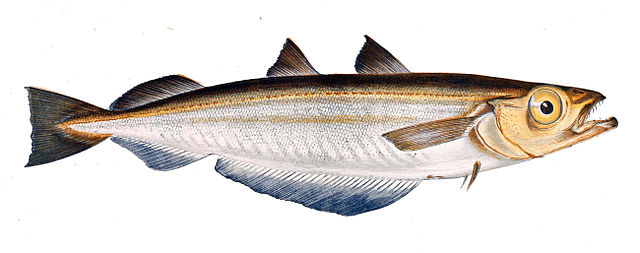

If you read and apply everything in this guide, you will save yourself a lot of time and stress. You will be able to use your study time effectively, adopt the right mindsets, and understand aspects of German which at first seemed difficult.
1.5 Who am I?
I’m a 30-year-old translator from near London. In 2008, when I was 17, I started learning German by myself online.
Over the course of several years, I spent thousands of hours experimenting with different methods. At the beginning I wasted a lot of time, because I had no idea how to learn languages, but eventually I found methods and resources that worked.
I actually spent more time reading about language learning than actually learning German. This wasted a lot of time initially, but paid off in the long run. In fact I found the topic of language acquisition so interesting that I decided to study Linguistics at university. I later went on to work as a translator.
Thirteen years after starting my journey, I’m at C2 level, and sometimes even pass as a native speaker. It won’t take you thirteen years though: Most of the magic happens in the first few years.
1.6 How should I use this guide?
You can use this guide any way you like, though I would suggest reading it through like you would a book and applying what you learn. I’ve tried to organise it as clearly as possible using the chapters on the left-hand side. The sections in the chapter you are currently viewing are displayed on the right.
You can even download a copy of the guide in PDF or EPUB format and put it on your reader (for Kindle you should convert it to MOBI format first – you can use this tool).